

Three days into my first Bali trip, sitting in a warung in Ubud eating nasi campur for the second time that day because it cost less than a coffee back home, I had a realization: everything I thought I knew about this island was either a cliché or a lie. Not a malicious lie — the kind that travel content tells through omission. The kind where you see the highlight reel so many times that you mistake it for the full picture. Bali is not a spa resort with a rice field backdrop. It’s not a spiritual awakening packaged for Western consumption. It’s a living, breathing, contradictory place that rewards the curious and quietly disappoints everyone who arrives expecting a postcard.
That said — and this matters — it is also genuinely one of the most extraordinary places on earth. The contradiction is the point. Which is exactly why a Bali vacation requires more thought than most people give it. Not more stress, not more spreadsheets, just more honest intention. What do you actually want from this trip? Not what looks good in photos. Not what your colleague raved about after their honeymoon. What do you — specifically, with your specific tolerance for heat and noise and tourist density — actually want to experience? Answer that question first, and everything else becomes easier.
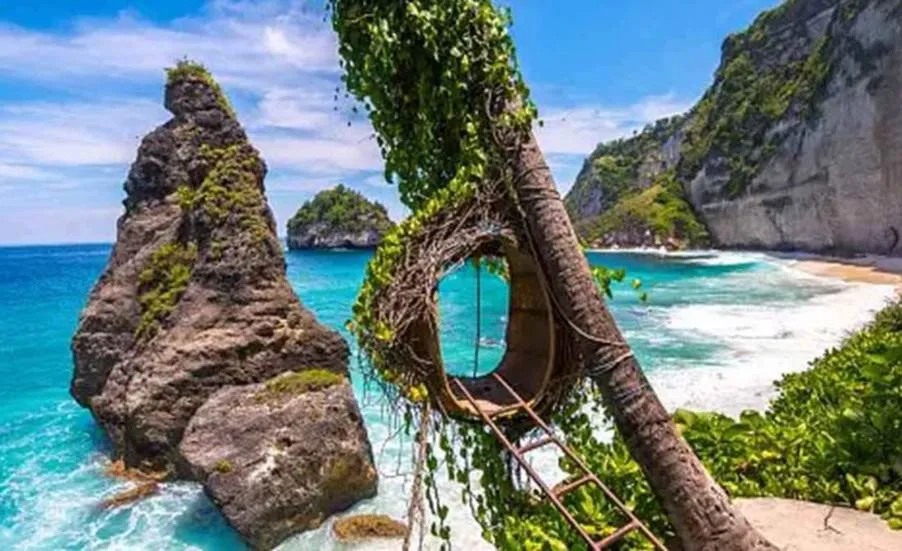
The island divides cleanly into personalities. Ubud is the version of Bali that attracts people who read books on the plane and want to wake up to jungle sounds. The rice terraces of Tegalalang, the Monkey Forest, the art markets, the cooking classes — all of it is within reach of a good guesthouse in the center of town. But Ubud also has traffic now, and the main street is lined with smoothie bowls at twelve dollars each, and the spiritual retreats have waiting lists. Go anyway. The real Ubud still exists five minutes off the main road. Canggu meanwhile has become a different kind of destination — part surf town, part remote work hub, part brunch scene. It’s genuinely fun if that’s your tempo. If it isn’t, stay elsewhere. Seminyak suits people who want comfort and don’t mind paying for it. The Bukit Peninsula — Uluwatu, Bingin, Padang Padang — is where the island shows its most dramatic face: limestone cliffs, turquoise water, and surf breaks that will humble anyone who underestimates them.
Timing your trip correctly changes everything. The dry season, April through October, offers the most predictable weather and the most tourists. Peak season in July and August means higher prices, busier roads, best holiday packages to bali and the particular exhaustion of fighting for space at viewpoints everyone has already photographed ten thousand times. If you have flexibility, May and September are objectively the best months on the island — dry, warm, relatively uncrowded, with prices that haven’t spiked yet. The wet season gets unfair criticism. From November through March, the rain comes hard and fast but rarely lasts long. The island turns extraordinarily green. Accommodation rates drop by thirty to forty percent in some areas. If you’re not the type to cancel plans over an afternoon shower, a wet-season trip can be one of the best decisions you make.
Logistics on Bali are manageable once you know the rules. Grab and Gojek work well across most of the island and are dramatically cheaper than negotiated taxis — but in tourist-heavy zones, some drivers refuse the app and want to negotiate directly. Let them. Arguing costs more energy than it saves money. Rent a scooter only if you’ve ridden one before; Bali traffic is not the place to learn. Most of the best food is not in restaurants — it’s in warungs, small family-run spots where the menu is whatever was cooked that morning and the price is whatever feels fair. Follow the locals at lunch. If a place is full of Balinese people at noon, sit down and order whatever the person next to you is eating. This approach has a nearly perfect success rate.
The thing Bali does better than almost anywhere else is create the sensation of time slowing down. Not everywhere — not in traffic, not in the tourist chaos of Kuta, not in the queue for the Instagram swing. But in the right places, at the right hours, there’s a quality to the light and the air and the sound of gamelan from a nearby ceremony that makes the rest of the world feel very far away. Late afternoon in a rice field outside Ubud. Sunrise at Pura Lempuyang before the tour buses arrive. A quiet beach on the Bukit that requires a ten-minute walk down a cliff path and therefore guarantees you won’t share it with more than a handful of people. These moments don’t happen by accident. They happen because someone planned thoughtfully enough to leave room for them.
Bali doesn’t need to be complicated. But it does need to be considered. The travelers who come back talking about how it changed them aren’t the ones who saw the most things — they’re the ones who chose carefully, moved slowly, and paid attention. That’s the whole secret, and it was never really a secret at all.