

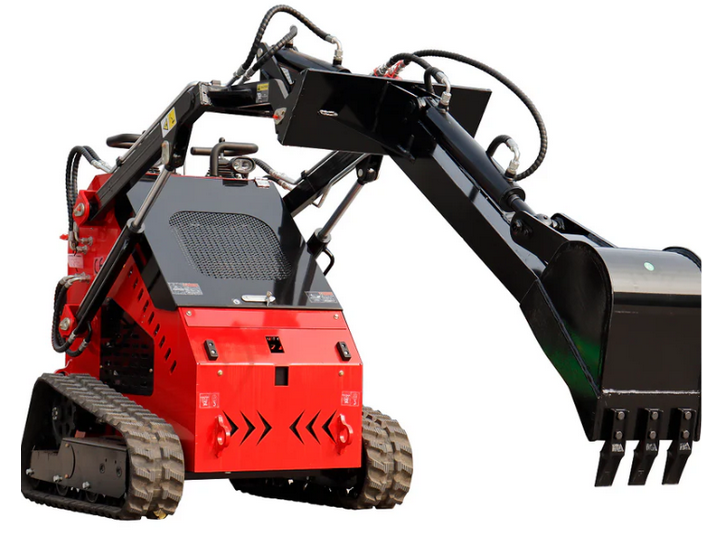
A compact loader becomes far more valuable when it is paired with the right tool for the job. Whether you are handling landscaping, property maintenance, construction prep, or material movement, the right mini skid steer attachment can improve speed, precision, and overall return on investment. The MMS collection page highlights a broad range of options, including augers, trenchers, buckets, grapples, pallet forks, and seasonal tools, all aimed at helping one compact machine handle multiple tasks. For buyers reviewing mini skid steer attachments for sale, that versatility is often the biggest reason to invest: you can do more work without adding multiple standalone machines to your fleet.
Why Attachments Matter on a Compact Loader
Mini skid steers are popular because they work well in tighter spaces where larger equipment may struggle. But the machine itself is only part of the productivity equation. The attachment determines what kind of work gets done, how cleanly it gets done, and how much labor you save in the process.
Instead of buying separate equipment for drilling, trenching, tilling, lifting, sweeping, or snow removal, operators can switch tools based on the day’s workload. The MMS collection page also emphasizes quick-connect capability, making tool changes simpler and helping users move from one task to another with less downtime.
In practical terms, that means one machine can support:
- Ground preparation
- Material transport
- Site cleanup
- Winter maintenance
- Light demolition
- Agricultural or property upkeep
That flexibility is especially valuable for contractors, landscapers, rental businesses, and owner-operators who need equipment that earns its keep across multiple seasons.
Core Types of Attachments and What They Do
The MMS collection currently features 12 attachment options, which gives buyers a useful snapshot of the kinds of tools that matter most in real-world work. These include hydraulic augers, breaker hammers, backhoe attachments, trenchers, rippers, 4-in-1 buckets, trailer receiver hitches, side-shift pallet forks, broom sweepers, snow plows, snow blowers, and rotary tillers.
Digging and Ground Engagement Tools
If your work involves breaking soil, opening trenches, or preparing land, ground-engaging tools deserve close attention.
Augers are ideal for drilling post holes, planting holes, and footing points. They are especially useful for fencing, deck work, and landscaping layouts.
Trenchers help create narrow, consistent trenches for irrigation, drainage, cable runs, and utility installation. They are a strong fit for jobs where speed and line control matter.
Rippers work well for loosening compacted soil and breaking through harder surfaces before grading or excavation begins.
Rotary tillers are useful for soil preparation in landscaping, gardening, and light agricultural projects.
Backhoe-style attachments add digging capability when you need more reach and targeted excavation without moving up to a larger machine. The MMS page specifically lists several of these categories, reinforcing how compact loaders can be adapted for digging, drilling, and ground prep work.
Material Handling and Moving Attachments
For many operators, moving material efficiently is where a compact loader proves its value fastest.
Pallet forks are excellent for transporting bagged materials, pavers, feed, bundled supplies, and jobsite inventory. A side-shift fork system can add extra precision when exact placement matters.
4-in-1 buckets are highly practical because they can load, carry, clamp, and grade. That makes them useful on mixed-use jobs where you want one tool to perform several functions.
Trailer receiver hitches may look simple, but they can save time when maneuvering trailers or repositioning equipment in confined areas.
When comparing options, each mini skid steer attachment should be evaluated not only for its headline purpose, but also for how often you will use it in daily operations. A tool that supports frequent loading, carrying, and repositioning can often deliver faster payback than a highly specialized tool used only a few times a year.
Cleanup, Demolition, and Seasonal Tools
Some of the most profitable tools are the ones that help finish jobs faster or extend machine use into other seasons.
Breaker hammers can be useful for light demolition, breaking hard surfaces, or removing stubborn material in renovation and prep work.
Broom sweepers help clear dust, debris, and loose material from paved or hard surfaces, which is valuable for site presentation and end-of-day cleanup.
Snow plows and snow blowers turn a compact machine into winter equipment, allowing contractors or property managers to generate off-season revenue.
A productive mini skid steer attachment should not only help you start a task, but also help you finish it cleanly and profitably. That is one reason all-season versatility matters so much when choosing tools for a compact fleet. The MMS lineup shows that buyers can move from earthwork to cleanup to snow management using the same machine platform.
How to Compare Mini Skid Steer Attachments for Sale
When reviewing mini skid steer attachments for sale, it is easy to focus only on price. But smart buyers compare attachments based on fit, output, durability, hydraulic demands, and the kinds of jobs they actually perform most often.
Start with the machine’s intended use. A landscaping company may prioritize augers, trenchers, tillers, and buckets. A property maintenance operator may care more about forks, sweepers, snow tools, and hitches. A small contractor may want a mix of digging and material-handling tools to cover multiple service lines.
Next, look at how quickly the tool can support billable work. Ask:
- Will this tool be used weekly, monthly, or seasonally?
- Does it reduce manual labor or subcontracting?
- Can it help me complete jobs faster?
- Does it let me offer a new service?
- Will it sit idle more than it works?
These questions keep purchasing decisions tied to business outcomes, not just equipment interest.
Key Features Buyers Should Prioritize
Not every attachment that fits physically will be the right operational fit. Before buying, review these points carefully.
1. Compatibility
The MMS collection page lists configuration filters for multiple machine models, including MS320, MS360, MS380, and MS430 variants. That is a reminder to verify model fit before purchase, especially if you are using a specific mini skid steer platform. Compatibility should always be confirmed at the model level, not assumed from appearance alone.
2. Hydraulic Requirements
Hydraulic attachments such as augers, trenchers, sweepers, and snow tools depend on adequate machine flow and pressure. If the machine cannot support the attachment’s demands, performance may suffer. Buyers should match the tool’s hydraulic needs to the machine’s actual capability before ordering.
3. Build Quality and Wear Components
Look at hoses, cutting edges, tines, teeth, fork frames, weld quality, and structural reinforcement. Attachments work in punishing environments. A lower upfront price does not help if the tool wears out quickly or becomes unreliable under load.
4. Ease of Changeover
Quick-connect systems matter because they reduce downtime between tasks. The provided MMS page explicitly notes a quick-connect device to help users change tools more easily, which is a practical advantage for crews moving across multiple tasks in a single day.
5. Support After the Sale
Support is easy to overlook until something goes wrong. The MMS site highlights free shipping, a 1-year warranty, lifetime technical support, and pickup support on the collection page header. For many buyers, strong post-purchase support can be just as important as the initial equipment spec.
Matching the Right Tool to the Right Buyer
Different buyers should prioritize different attachments depending on how they make money.
Landscapers
Best-fit tools often include:
- Augers for planting and posts
- Trenchers for irrigation
- Tillers for soil prep
- Buckets for moving mulch, gravel, and soil
- Sweepers for cleanup
Contractors
Often benefit from:
- Buckets for material handling
- Breaker hammers for prep and demolition
- Backhoe tools for targeted digging
- Forks for palletized materials
- Rippers for compact ground
Property Managers and Maintenance Crews
Common priorities include:
- Forks for deliveries and movement
- Buckets for general site work
- Sweepers for maintenance
- Snow plows or blowers for winter service
- Trailer hitches for repositioning equipment
Rural Property Owners and Small Farms
Often value:
- Tillers for land prep
- Augers for fencing
- Buckets for feed, soil, or debris
- Forks for material handling
- Seasonal tools for year-round use
The biggest mistake is buying based on what looks impressive rather than what will be used consistently.
Common Buying Mistakes to Avoid
Even experienced buyers can make avoidable mistakes. Here are some of the most common:
- Choosing only by price: A cheaper tool is not a better value if it lacks durability or useful capacity.
- Ignoring compatibility: Always match the tool to the exact machine model or approved configuration.
- Overbuying specialty tools: If the task is rare, renting may make more sense than purchasing.
- Underestimating seasonal value: Snow or cleanup tools can create income during slower months.
- Skipping seller support details: Warranty and technical backing matter over the long term.
For many buyers, the best move is building an attachment lineup in stages. Start with one high-frequency tool, then expand into specialty or seasonal tools once the machine is already generating steady returns.
How to Judge Value Beyond the Sticker Price
The collection page shows a spread of attachment categories and prices, with the highest displayed price at $2,199. That reinforces an important point: the best buying decision is not always the lowest-cost item, but the one that delivers the strongest productivity for your work type.
A good purchase usually does one or more of the following:
- Replaces manual labor
- Helps one operator do more work
- Cuts time on repetitive tasks
- Expands the services you can sell
- Increases year-round machine utilization
That is the real framework for comparing mini skid steer attachments for sale. Think in terms of revenue potential, labor savings, and machine utilization instead of cost alone.
FAQ
1. What is the most useful attachment for a first-time buyer?
For many first-time buyers, a bucket or pallet fork setup is the most practical place to start. These tools support everyday movement, loading, cleanup, and general handling, which means they usually get used more often than specialty tools.
2. How do I choose the right mini skid steer attachment for my work?
Start with your most common jobs, then match the attachment to those tasks. If you drill holes often, prioritize an auger. If you move materials daily, look at buckets or forks. If you work across several seasons, consider tools that expand your services year-round.
3. Are mini skid steer attachments for sale worth buying online?
Yes, as long as you verify compatibility, support terms, and seller credibility. Product range, machine fit, warranty coverage, and technical support should all be reviewed before purchase. The MMS collection page, for example, highlights both model-based configuration filtering and post-sale support signals.
4. How many attachments should a small operator own?
That depends on workload, but many small operators do best with two to four carefully chosen tools rather than a large collection that sits unused. Start with high-demand attachments and add more as your service mix grows.
Conclusion
Choosing the best mini skid steer attachment is really about matching equipment to revenue-producing work. The right tool can turn a compact loader into a flexible machine for digging, lifting, trenching, cleanup, and seasonal maintenance. The MMS collection page supports that idea with a 12-product lineup that spans earthwork, handling, cleanup, and winter applications, plus practical buying signals such as compatibility filters, quick-connect convenience, and ongoing support. For buyers exploring mini skid steer attachments for sale, the smartest approach is to focus on compatibility, frequency of use, durability, and long-term productivity. Buy for the jobs you do most, and your attachment investment is far more likely to pay off.